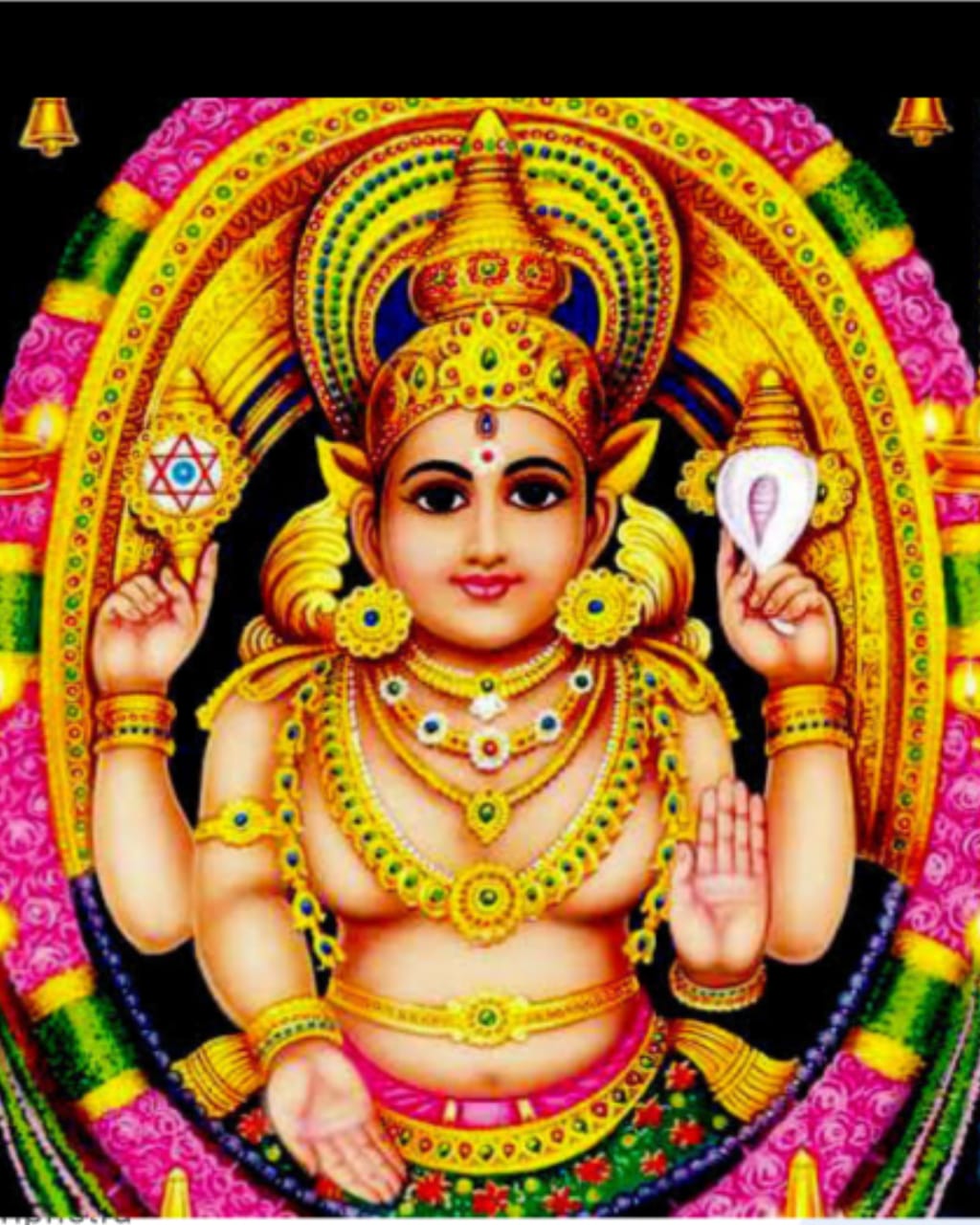
Vak Devis description of Lalithambikai - Part 2


आत्म-विद्या (583)

Ātma-vidyā

Since She imparts knowledge (vidyā) of the Supreme Ātman, she is addressed as Ātma-vidyā. 

महा-विद्या (584)

Mahā-vidyā

The process of Self-realization and attainment of true knowledge is known as mahā vidyā . 

श्री-विद्या (585)

Śrī-vidyā

Śrī-vidyā is Pañcadaśī mantra.  Pañcadaśī and ṣodaśī mantra-s are considered as most secretive. These mantra-s, if properly initiated and recited as per the prescribed rules, one is bound to attain liberation. 

कामसेविता (586)

Kāmasevitā

Kāma means the lord of love, Manmatha.  She is worshipped by Manmatha.


श्री-षोडशाक्षरी-विद्या (587)

Śrī-ṣoḍaśākṣarī-vidyā

Soḍaśī mantra is superior to Pañcadaśī.

ṣoḍaśī mantra is meant exclusively for liberation and those who seek liberation alone should be initiated in this mantra.  ṣoḍaśī mantra is the ultimate of all mantra-s and there is no other mantra superior to this. She's in the form of the most powerful and superior mantra. 

त्रिकूटा (588)

Trikūṭā

She is in the form of triads.  In spirituality there are a number of triads. OM consists of three letters a + u + m. In Gāyatrī mantra three worlds are mentioned bhūr, bhuva and suvaḥ. Gods of creation, sustenance and death are known as Brahma, Viṣṇu and Rudra. Three stages of consciousness awake, dream and deep sleep. Three guṇa-s sattva, rajas and tamas. Three stages of time past, present and future. Pañcadaśī mantra consists of three kūṭa-s agni, surya and candra. icchā śakti, jñāna śakti and kriyā śakti-s. Triads are associated only with Her.

कामकोटिका (589)

Kāmakoṭikā

Śiva-Śaktī aikya happens in two forms. One is Śaktī sitting on the lap of Śiva and another is Ardhanārīśvara form, where one vertical form is Śiva and another is Śaktī. This is referred to in this nāma. Kāma refers to Śiva and koṭi means vertical.


कटाक्ष-किङ्करी-भूत-कमला-कोटि-सेविता(590)

Kaṭākṣa-kiṅkarī-bhūta-kamalā-koṭi-sevitā

By Her mere glance She is attended by millions of Lakṣmī-s, the Goddess of wealth. If Lakṣmī glances at a person his richness grows. This nāma says that Lalitāmbikā is attended to by countless number of Lakṣmī-s, signifying Her incomprehensible nature of wealth and prosperity.


शिरःस्थिता (591)

Śiraḥsthitā

She is in the head. Head means the sahasrāra at the top of the head.  

चन्द्र-निभा (592)

Candra-nibhā

The shine of the moon is visualized just below sahasrāra. The visibility of moon is a strong indication to know the progress achieved in kuṇḍalinī meditation. The third kūṭa of Pañcadaśī mantra is candra kūṭa. She is like this moon. 

भालस्था (593)

Bhālasthā

She is in the form of the bindu of bīja hrīṁ in ājñā cakra.  She resides in ājñā cakra in the forehead. 

इन्द्र-धनुः-प्रभा (594)

Indra-dhanuḥ-prabhā

Indra dhanu in literal sense is Indra’s bow.  But, in this context it indicates rainbow.  There is a rainbow just above the bindu of hrīṁ (ह्रीँ) .  The bindu itself shines.  Apart from bindu, this rainbow like structure that is quarter of the size of the bindu also shines.  The bindu and rainbow like formation which is also known as ardhacandra (half the shape of the moon thereby forming a rainbow),  get exploded at sahasrara.


हृदयस्था (595)

Hrdayasthā

She resides in the heart.

रविप्रख्या (596)

Raviprakhyā

She shines like the sun, residing in one’s heart.  

त्रिकोणान्तर-दीपिका (597)

Trikoṇāntara-dīpikā

She shines like a flame in the triangle of mūlādhāra cakra.


दाक्षायणी (598)

Dākṣāyaṇī

She was born to Dakṣa and got married to Śiva.  This nāma talks about Her lineage.

दैत्य-हन्त्री (599)

Daitya-hantri

Daitya means evil and represented as demons in epics.  She is the slayer of all evil acts (demonic qualities). 

दक्ष-यज्ञ-विनाशिनी (600)

Dakṣa-yajña-vināśinī

There existed two Dakṣa-s.  One is known as Dakṣa Prajā-pati, a superhuman character and another is the human incarnation of the former.  They did not respect Śiva.  Sakthi was behind the destruction of the yagnas that were performed by them.


दरान्दोलित-दीर्घाक्षी (601)

Darāndolita-dīrghākṣī

She has shapely eyes that almost touch Her ears. Her eyes rotate all-round to dispel the fear of Her devotees. 

दरहासोज्ज्वलन्-मुखी (602)

Darahāsojjvalan-mukhī

This nāma describes Her smile. This smile attracts everyone to become Her devotee.


गुरुमूर्तिः (603)

Gurumūrtiḥ

She is in the form of Guru. 

गुणनिधिः (604)

Guṇanidhiḥ

She is the storehouse of guṇa-s. 

गोमाता (605)

Gomātā

She is the Mother of all cows. Cows are considered sacred.

गुहजन्म-भूः (606)

Guhajanma-bhūḥ

Guha  means Kārthikeya, also known as Subrahmaṇya and Skanda.  This nāma also could mean that She had given birth to Kārttikeya.


देवेशी (607)

Deveśī

She is the Īśvarī for Deva-s (gods), which means that She is the Supreme among all gods and goddesses.  She is the source for all divinities. 

दण्ड-नीतिस्था (608)

Daṇḍa-nītisthā 

Daṇḍa-nīti means encumbering those who resort to evil ways and making them to pursue the path of goodness.  She punishes those ignorant men who are unwilling to pursue the virtuous path. 

दहराकाश-रूपिणी (609)

Daharākāśa-rūpiṇī

In the hearts of all beings is Her subtle form.


प्रतिपन्-मुख्य-राकान्त-तिथि-मण्डल-पूजिता (610)

Pratipan-mukhya-rākānta-tithi-maṇḍala-pujitā

Pratipad means the first lunar day and rākā means the full moon.  In Śrī Cakra, She is surrounded by fifteen tithi nitya devi-s, five on each side of the inner most triangle. The bindu, the central point of Śrī Cakra, where Śaktī is sitting on the lap of Śiva is covered by this inner most triangle.   Each of the lunar day is represented by one tithi nitya devi.  She's worshiped daily starting with pratipad and ending with full moon.


कलात्मिका (611) 

Kalātmikā          

There are four stages of consciousness.  They are awake, dream, deep sleep and turya stages.  Each of these stages has four kalā-s making a total of sixteen kalā-s.  The awake stage is said to be in the form Lalitāmbikā. The four kalā-s of awake stages are rising, waking, consciousness and mental action. 

कलानाथा (612)

Kalānāthā

She is ruler of kalā-s discussed above.  All subtle matters that make a gross matter are administered by Her.  Hence, She is known as the ruler of kalā-s. 

काव्यालाप-विनोदिनी (613)

Kāvyālāpa-vinodinī

It is said that by properly worshipping Her, one attains poetization capabilities.  She is in the form of great poetic epics.


सचामर-रमा-वाणी-सव्यदक्षिण-सेविता (614)

Sacāmara-ramā-vāṇī-savyadakṣiṇa-sevitā

Goddess Lakṣmī (Ramā) and Goddess Sarasvatī (Vāṇī) stand by Her side and fan Her.  This nāma means that those who contemplate Her get wealth and intelligence without even asking for them.


आदिशक्तिः (615)

Ādiśaktiḥ

She is the primordial energy of creation.  

अमेया (616)

Ameyā

She is immeasurable.  Mortals are measureable and eternal is not measureable. 

आत्मा (617)

Ātmā

She's the Self (Atma). 

परमा (618)

Paramā

She's the Supreme. 

पावनाकृतिः (619)

Pāvanākṛitiḥ

She is the embodiment of purity.


अनेक-कोटि-ब्रह्माण्ड-जननी (620)

Aneka-koṭi-brahmāṇḍa-jananī

She has given birth to billions of worlds .

दिव्य-विग्रहा (621)

Divya-vigrahā 

She has a divinely shaped body.


क्लींकारी (622)

Klīṁkārī

She is in the form of kāma bīja klīṁ (क्लीं). It is also known as Manmatha (Kāmadeva) bīja, the bīja of the love god. 

Klīṁkāra is Śiva and his wife is Klīṁkārī  and this way  Ka means Śiva and la means Śaktī and īṁ (ईं) is kāmakalā (nāma 322).  Therefore klīṁ also means Śiva-Śaktī union.

केवला (623)

Kevalā

She is The Absolute. 

गुह्या (624)

Guhyā

She is secretive both in form and in nature.  It is repeatedly said that Her worship should be of secretive in nature.  She cannot be worshipped in the presence of those who do not have fundamental knowledge about Her. 

Navāvaraṇa pūja should not be performed in the presence of those who are not initiated into Her mantra-s.  The secrecy in Her worship is advocated because She provides certain superhuman powers to the worshipper, provided the ritual is performed without any deviations.  

कैवल्यपद-दायिनी (625)

Kaivalyapada-dāyinī

Kaivalya is the final stage of life of a living being.  Nobody is there with that being during that time.  He is all alone without any help around and he has to achieve on his own.  This is the final stage of one’s evolution.  The soul is about to leave its present body and getting ready to merge with the Brahman.  Kaivalya is liberation or salvation and hence it is called the final stage.  Lalitāmbikā is the giver of this stage.


Vak Devis description of Lalithambikai - Part 1


After describing yogini-s, Vāc Devi-s continue with their description of Lalitāmbikā.


स्वाहा (535)

Svāhā

Lalitāmbikā is in the form of oblations offered to gods and goddesses. The mantra-s for such oblations end with svāhā.  

स्वधा (536)

Svadhā

She is in the form of oblations offered to the departed souls of ancestors (pitṛ) and such mantra-s end with svadhā.

It is also said that Svāhā and Svadhā are the two wives of Lord Agni.

अमतिः (537)

Amatiḥ 

She is in the form of avidyā or ignorance. The creation in the beginning was devoid of consciousness, known as avyakta form . The intellect in such un-manifested stage is known as amati.  

मेधा (538)

Medhā

She in the form of amati, transforms into medha or intelligence, along with evolution. This is also to confirm Her existence from the beginning of creation. 

श्रुतिः (539)

Śrutiḥ

Śruti means Veda-s.  She is in the form of all the four Veda-s. 

स्मृतिः (540)

Smṛtiḥ

Smṛti-s, derived from Veda-s deliver the message of the Brahman in understandable terms. She is in the form of such Smṛti-s. Smṛti also refers to the power of recollection and memory. Upaniṣads are classified under Smṛti-s.  

अनुत्तमा (541)

Anuttamā

No one is superior to Her, an exclusive of the qualitiy of the Brahman.  Anuttamā also means intellect not derived from others.  She is the embodiment of intellect. 


पुण्यकीर्तिः (542)

Puṇyakīrtiḥ

She is known for virtues.  She gives fame to Her devotees.  The very thought of Her, sanctifies a person. 

पुण्यलभ्या (543)

Puṇyalabhyā

She is attainable through virtues.  Puṇya means virtues.  It is said that ‘She is attained by those who are virtuous and have knowledge of Veda-s. 

पुण्य-श्रवण-कीर्तना (544)

Puṇya-śravaṇa-kīrtanā

Recitation of verses in praise of Her (like this Lalitā Sahasranāma), or listening to such praises are virtuous acts.


पुलोमजार्चिता (545)

Pulomajārcitā

Puloman is a demon. His daughter is Indrani,  wife of Indra.  She's celebrated for her purity and chastity. She's an ardent devotee of Lalithai. This nama says that Lalithai is worshipped by the daughter of Puloman. 

बन्ध-मोचनी (546)

Bandha-mocanī 

She liberates from bondage.

बर्बरालका (547)

Barbarālakā

In some texts, this nāma is mentioned as bandhūrālakā. She has curly hair that appears like waves and flowing into Her forehead.


विमर्श-रूपिणी (548)

Vimarśa-rūpiṇī

The reflection of Śiva is known as vimarśa, which is known as Śaktī.  Without the presence of vimarśa or Śaktī, Śiva cannot act.  Śiva is the creator and Śaktī is the doer.  This nama emphasizes Her creative aspect.

विद्या (549)

Vidyā

Vidyā means ‘to deliberate’. She is the giver of knowledge that is capable of providing final liberation. This is an extension of the previous nāma. 

वियदादि-जगत्-प्रसूः (550)

Viyadādi-jagat-prasūḥ

She is the Creator of the five principles of Universe starting with ākāś (ether) air, etc.


सर्व-व्याधि-प्रशमनी (551)

Sarva-vyādhi-praśamanī

She cures all diseases.

सर्व-मृत्यु-निवारिणी (552)

Sarva-mṛtyu-nivāriṇī

Mṛtyu means death.  There are different types of deaths such as premature death arising out of accidents, disease or untimely deaths.  The death here indicates the final liberation of the soul to merge with the Brahman.  The nāma means that She is liberator of such souls.


अग्र-गण्या (553)

Agra-gaṇyā 

She is the First, first among the entire creation.  

अचिन्त्य-रूपा (554)

Acintya-rūpā

She is in inconceivable form, a quality of the Brahman.  

कलि-कल्मष-नाशिनी (555)

Kali-kalmaṣa-nāśinī

She destroys the sins committed during kali yug.  Kali, began at midnight between the 17th and 18th of Feb. 3102 B. C.

Currently we are going through 5111th year of kali yug ((2010-11) out of 360,000 human years.  360 human years is equal to one divine year.  12,000 divine years (4,320,000 human years) consists the four ages called Kṛita yug (4000 divine years), Tretā yug (3000 divine years), Dvāpara yug (2000 divine years) and Kali yug (1000 divine years). The balance of 2000 divine years has been calculated for twilight period of each yug.”   Out of the four, kali yug is supposed to have more sinners and She in the form of Goddess Kali destroys sins.


कात्यायनी (556)

Kātyāyanī

She is the sum total of the effulgence (tejas) of all gods and goddesses. 

She who is the daughter of the sage named Kata.

कालहन्त्री (557)

Kālahantrī

Kāla means death. She is the destroyer of death. 

कमलाक्ष-निषेविता (558)

Kamalākṣa-niṣevitā

She is worshiped by Viṣṇu, the lotus eyed.


ताम्बूल-पूरित-मुखी (559)

Tāmbhūla-pūrita-mukhī

She is fond of chewing betel leaves with karpūra vīṭikā (nāma 26).  The betel leaves turn Her lips into red colour.  

दाडिमी-कुसुम-प्रभा (560)

Dāḍimī-kusuma-prabhā

She radiates like a pomegranate flower.  They are dark red in colour.  The flowers of pomegranate are considered as the most auspicious amongst the flowers for worshipping Her.  Next is hibiscus flower, which too has deep red petals and is widely used for worshipping Her.


मृगाक्षी (561)

Mṛgākṣī

Her eyes appear like that of a deer.

मोहिनी (562)

Mohinī

She bewitches. Unable to find proper words to describe Her beauty, Vāc Devi-s used this word. Bewitchment is not possible without being splendiferous.  She is the beauty incarnate, because Her beauty is made up of knowledge, efficiency and compassion. 

मुख्या (563)

Mukhyā

She is the first in the universe.  Mukhya also means important.  She is authoritative amongst all gods and goddesses. 

मृडानी (564)

Mṛḍānī

Mṛḍa means Śiva.  Consort of Mṛḍa is Mṛḍānī. 

मित्र-रूपिणी (565)

Mitra-rūpiṇī

Mitra means a friend.  Sun is considered as a friend of the universe, as it sustains existence.


नित्य-तृप्ता (566)

Nitya-tṛptā

She remains eternally contended, because She has no requirements.

भक्त-निधिः (567)

Bhakta-nidhiḥ

She is the treasure house for Her devotees.  

नियन्त्री (568)

Niyantrī

She is the guide to the universe.  Since She administers the universe, She is addressed in this nāma as its guide. 

निखिलेश्वरी (569)

Nikhileśvarī

She assumes the position of Supreme Ruler.   Nikhila means complete or total.


मैत्र्यादि-वासना-लभ्या (570)

Maitryadi-vāsanā-labhyā

She can be attained through qualities like kindness, etc.

महा-प्रलय-सक्षिणी (571)

Mahā-pralaya-sakṣiṇī

Mahā-pralaya is the total dissolution. 

When annihilation unfolds, the entire universe gets dissolved into Śiva.  This happens exactly in the reverse process of creation.  At the time of creation ākāś was born out of the Brahman, air was born out of ākāś, etc.  At the time of annihilation, air gets dissolved into ākāś and ākāś gets dissolved into Śiva.  This process is known as involution as opposed to evolution, a process that happens during creation. 

This nāma says that She is the only witness to the great dissolution.


पराशक्तिः (572)

Parāśaktiḥ

She is Parāśaktī. Consort of Paramaśiva is Parāśaktī. 

परा-निष्ठा (573)

Parā-niṣṭhā 

Niṣṭha means steadfast position. The mind of a self realized person becomes steadfast, perpetually united with the Brahman. For reaching this stage, the highest level of knowledge is required.  She is in the form of parā-niṣṭhā. Without Her help, reaching this stage is not possible. She is the embodiment of power (parā-śaktī) and knowledge (parā-niṣṭhā).

प्रज्ञान-घन-रूपिणी (574)

Prajñāna-ghana-rūpiṇī

Prajāna-ghana-rūpiṇī means concentration of superior knowledge. Superior concentrated knowledge means the knowledge that remains unpolluted by ignorance.


माध्वीपानालसा (575)

Mādhvīpānālasā

She is in a state of samādhi and enjoying the ultimate bliss. She always meditates on Her creator Śiva. 

मत्ता (576)

Mattā

She always meditates on Her creator Śiva. During the higher levels of kuṇḍalinī meditation, a honey like fluid, generally called ambrosia drips into throat.  Because of its taste and viscosity it resembles honey. It is known as spiritual intoxicant and said to possess intoxicating qualities. Because of consuming the drink, She is in the stage of intoxication.

मातृका-वर्ण-रूपिणी (577)

Matṛkā-varṇa-rūpinī

She is in the form of 51 alphabets of Sanskrit called matṛkā.


महा-कैलास-निलया (578)

Mahā-kailāsa-nilayā

Mahā-kailāsa is the abode of Śiva. This is far away from the existing Kailāsa mountains. In fact, mahā-kailāsa is beyond human comprehension. 

मृणाल-मृदु-दोर्लता (579)

Mṛuṇāla-mṛdu-dorlatā

Her arms are tender like lotus stalks.


महनीया (580)

Mahānīyā

She is adorable. 

दयामूर्ति: (581)

Dayāmūrtīh

She is the embodiment of compassion.

महा-साम्राज्य-शालिनी (582)

Mahā-sāmrājya-śālinī

She magnificently controls all the planets forming part of this universe.

Sahasrara


सहस्रदल-पद्मस्था (528)

Sahasradala-padmasthā

The next seven nāma-s discuss about yogini Yākinī, the last among the yogini-s.  Sahasrāra or the crown cakra is presided by yogini Yākinī. Sahasrāra is in the form of a thousand petal lotus. This is not categorized under cakra-s and sahasrāra is difficult to explain.  The commune (the divine energy) between the soul and the cosmos happens through an extremely small aperture at the top of the head known as brahmarandhra (ब्रह्मरन्ध्र).  This pericarp of the sahasrāra is said to be more lustrous than a full moon.  The rays of this moon is multi coloured, predominantly VIBGYOR, the seven colours of the rain bow. The colour of these cakra-s begin with red at mūlādhāra, orange at svādhiṣṭhāna, yellow at maṇipūra, green at anāhata, blue at viśuddhi, indigo at ājñā and violet at sahasrāra.  Though violet is said to be the overriding colour of sahasrāra, multi colour is visible during its activation.  Śaktī-s union with Śiva takes place here. 

सर्व-वर्णोप-शोभिता (529)

Sarva-varṇopa-śobhitā

Yākinī shines in all colours.  varṇa also indicates letters that are inscribed in the one thousand petals.  There is also an interpretation that letters are placed first from a (अ) to kṣa (क्ष) and then kṣa (क्ष) to a (अ) and again from अ to क्ष and so on. 


सर्वायुध-धरा (530)

Sarvāyudha-dharā

Yākinī has all types of weaponries.  In sahasrāra, everything is infinite because sahasrāra is beyond any human explanation.  Further, the experience at sahasrāra will differ from person to person. 

शुक्ल-संस्थिता (531)

Śukla-saṁsthitā 

Yākinī is in the form of subtlest product of the human body – semen or ova. Yākinī represents the creation of human body and destruction of the human mind.

सर्वतोमुखी (532)

Sarvatomukhī

Yākinī has infinite faces.


सर्वौदन-प्रीत-चित्ता (533)

Sarvaudana-prīta-cittā

Yākinī likes all types of food.

The important point to be noted with sahasrāra is the nature infinitude. The yogini presiding over sahasrāra is beyond everything. 

याकिन्यम्बा-स्वरूपिणी (534)

Yākinyambā-svarūpiṇī

Yogini presiding over sahasrāra is known as mother Yākinī, who has been described from nāma 528 till 534 (7 nāma-s).


With this, the description of yogini-s is concluded.

Mooladhara Chakra and ajna Chakra


मूलाधाराम्बुजा-रूढा (514)

Mūlādhārambujā-rūḍhāa

Yogini who presides over this chakra is Sākinī, who is described in the next seven nāma-s till nāma 520.  This cakra is situated at the perineum area and has four lotus petals that are red in colour.  Each petal is inscribed with four consonants with bindu-s.  The pericarp of this cakra is square in shape with eight spears protruding outwardly.  Inside this pericarp, the bīja of this cakra laṁ (लं) is placed.  There is a red inverted triangle within the pericarp that flashes like lightning.  Inside this triangle, the powerful klīṁ bīja (क्लीं), also known as kāma bīja, is placed.  The bīja for earth is laṁ and this is appropriate because mūlādhāra cakra is the lowest cakra which is also known as the base cakra. Inside this triangle, there is a Liṅga (one of the prominent forms of Śiva).  Kuṇḍalinī energy in the form of a snake coiled around this Liṅga three and half times.  There is a hole which is called dvāra in Sanskrit in this cakra, through which Kuṇḍalinī ascends and descends.  Under normal circumstances, the mouth of this hole is blocked by the head of this snake.  This is the most important cakra as it holds the life energy in the form of Kuṇḍalinī here. Lalitāmbikā dwells in this cakra in the form of Kuṇḍalinī, Her subtlest form.

पञ्च-वक्त्रा (515)

Pañca-vaktrā 

Sākinī is five faced, hence described in this Sahasranāma as the fifth cakra.  Each of these faces represents five elements like ākāś, air, etc.  

अस्थि-संस्थिता (516)

Asthi-saṁsthitā 

Sākinī presides over bones, the fifth layer from the skin. This is also one of the reasons for taking up this cakra as the fifth in this Sahasranāma.


अङकुशादि-प्रहरणा (517)

Aṅkuśādi-praharaṇā

Sākinī has weapons like elephant-hook.  She is said to have four arms and apart from elephant-hook, she also carries lotus, book and cin mudra (mudra of knowledge or jñāna mudra).  

वरदादि-निषेविता (518)

Varadādi-niṣevitā

Sākinī is surrounded by her assistants like Varadā ,Śrī (possibly indicating prosperity as Śrī means Lakṣmī), Śandā and Sarasvatī (goddess of knowledge).


मुद्गौदनासक्त-चित्ता (519)

Mudgaudanāsakta-cittā

Sākinī is fond of food of made of green gram. The combination of mudgaudannā is rice mixed with green gram, jaggary, coconut, jīraka, ghee and milk. 

साकिन्यम्बा-स्वरुपिणी (520)

Sākinyambā-svarupiṇī

The presiding deity of the mūlādhāra cakra is in the form of Sākinī who has been described in these seven nāma-s.


आज्ञा-चक्राब्ज निलया (521)

Ājñā-cakrābja nilayā

The next seven nāma-s discuss about the presiding deity of ājñā cakra, Hākinī.  Ājñā cakra is considered as the most important cakra and is located between the two eye brows.  This cakra has two lotus petals and bīja-s haṁ (हं) and kṣaṁ (क्षं) are inscribed in those white petals.

शुक्ल-वर्णा (522)

Śukla-varṇā

Hākinī has fair complexion.  This could be due to the purity of ājñā cakra.

षडानना (523)

ṣaḍānanā

Hākinī has six faces and hence described as the sixth cakra in this Sahasranāma.


मज्जा-संस्था (524)

Majjā-saṁsthā

Hākinī presides over bone marrow, the sixth layer from the skin hence ājñā cakra is discussed as the sixth cakra in this Sahasranāma. 

हम्सवती-मुख्य शक्ति-समन्विता (525)

Hamsavatī-mukhya śakti-samanvitā 

Hākinī is attended by two of her assistants.  They are Haṁsavati and Kṣamāvati, representing the two bīja-s haṁ (हं) and kṣaṁ (क्षं).   In all these cakra-s, the names of the assistants to the yogini-s begin with the respective alphabets inscribed in the lotus petals of the concerned cakra-s.  Alphabets, complexion of the yogini-s, faces and hands of the yogini-s, the shape of the pericarp of the cakra-s have great relevance to the attributes assigned to these cakra-s.


हरिद्रान्नैक-रसिका (526)

Haridrānnaika-rasikā

Hākinī is fond of rice cooked with saffron.

हाकिनी रूप-धारिणी (527)

Hākinī rūpa-dhāriṇī 

The yogini who has been described in the preceding six nāma-s is known as Hākinī.

Manipooraka chakra and svadishtaana chakra


मणिपूराब्ज-निलया (495)

Maṇipūrābja-nilayā

Maṇipūraka cakra is the navel cakra and the yogini who presides over this cakra is Lākinī.  From this nāma till nāma 503 (nine nāma-s) describe this yogini.  This cakra has ten lotus .

वदनत्रय-संयुता (496)

Vadanatraya-saṁyutā

Lākinī has three faces; hence, this cakra is discussed as the third cakra in this Sahasranāma.


वज्रादिकायुधोपेता (497)

Vajrādikāyudhoepetā

Lākinī has thunderbolt and other weapons.  She has four arms, two of them holding a thunderbolt and a śakti weapon. The other two hands have vara mudra (a mudra that grants boon.  Almost all the gods and goddesses have this mudra) and abhaya mudra (a mudra that protects by dispelling fear).

डामर्यादिभि-रावृता (498)

ḍāmaryādibhi-rāvṛtā

Lākinī is surrounded by ten of her assistants like Damarī.


रक्तवर्णा (499)

Raktavarnā

Her complexion is blood red in colour.

मांस-निष्ठा(500)

Māṁsa-niṣṭā 

Lākinī presides over flesh.  Flesh is found beneath skin and blood. 

गुडान्नप्रीत-मानसा (501)

Guḍānnaprīta-mānasā

Guḍānna refers to rice cooked with jaggery (jaggery is unprocessed sugar made out of sugarcane). Lākinī has a liking for this preparation.


समस्त-भक्त-सुखदा (502)

Samasta-bhakta-sukhadā

Lākinī confers happiness to all the devotees of Lalitāmbikā. 

लाकिन्यम्बा-स्वरूपिणी (503)

Lākinyambā-svarūpiṇī

She (the yogini) is in the form of Lākinī .


स्वाधिष्ठानाम्बुज-गता (504)

Svādhiṣṭānāmbuja -gatā

Yogini of svādhiṣṭāna cakra is known as Kākinī.  From this nāma till nāma 513 (ten nāma-s) describes this yogini.  This cakra is in coccyx area just above mūlādharā cakra and has six lotus petals.  

चतुर्वक्त्र-मनोहरा (505)

Caturvaktra-manoharā

Kākinī has four beautiful faces, hence described by Vāc Devi-s as the fourth cakra.


शूलाद्यायुध-संपन्ना (506)

Śulādyāyudha-saṁpannā

Kākinī has four hands that hold trident, noose, skull and elephant hook (aṅkuśa) as her weaponries. 

पीतवर्णा (507)

Pītavarṇā 

Kākinī has golden complexion. 

अति-गर्विता (508)

Ati-garvitā 

Kākinī is extremely proud.  She is proud of her beauty.


मेदो-निष्ठा (509)

Medo-niṣṭā

Kākinī presides over fat.  Fat is fourth layer beneath our skin hence this cakra is mentioned as the fourth cakra by Vāc Devi-s. 

मधु-प्रीता (510)

Madhu-prītā 

Madhu means honey.  Kākinī is fond of honey.  

बन्धिन्यादि-समन्विता (511)

Bandhinyādi-samanvitā

Kākinī is surrounded by six assistants like Bandhinī.  Each of her assistants presides over each of the petals.  Apart from Bandhinī, other important deities are Badhrakālī and Mahāmāyā.


दध्यन्नासक्त-हृदया (512)

Dadhyannāsakta-hṛdayā

Kākinī is fond of curd rice. 

काकिनी-रूप-धरिणी (513)

Kākinī-rūpa-dhariṇī

The presiding devi of svādhiṣṭhāna cakra is Kākinī who has been described in these ten nāma-s.

The 6 chakras of Kundalini, Vishudhi chakra and Anaahata chakra


From nāma 475 to 534 (60 nāma-s) discuss in detail about the six cakra-s or psychic centres of kuṇḍalinī andsahasrārā. Each cakra or psychic centre is presided over by a deity called yogini and there are seven such yogini-s. The seven cakra-s in the body (considering sahasrāra as a cakra for easier understanding) represent particular body element such as skin, blood, muscle, fat, bone, marrow and semen or egg. Each yogini is described in 10 or 9 or 7 nāma-s.  It is to be clearly understood that these nāma-s are not direct reference toLalitāmbikā.  Since Lalitāmbikā is described to be in the form of kuṇḍalinī energy, and the kuṇḍalinī energy has to transcend these cakra-s to reach sahasrāra from mūlādhāra, worshipping the presiding deities of thesecakra-s have been undertaken Vāc Devi-s.  However, the order of worship neither commences from the basecakra to the crown cakra nor from the crown cakra to the base cakra.  It begins with viśuddhi cakra, goes down to the lower cakra-s then to ājñā and ends with sahasrāra.  Each of these yogini-s has their own dhyānaverses, japa mantra-s, etc.  They have their own assistants and the most important among them is also referred against each of the yogini-s.  Their complexion, their armouries, qualities, the food they like, etc have also been described.  Sanskrit acoustics has fifty alphabets.  All these fifty alphabets are placed in the six cakra-s.  A detailed discussion is provided on the number of Sanskrit alphabets in nāma 833. The order in which they are mentioned in this Sahasranāma is based on two concepts.  Each of these yogini-s has many faces.  The yogini at viśuddhi cakra has one face and the yogini at sahasrāra has many faces.  Probably Vāc Devi-s could have prioritized these yogini-s based on the number their faces.  Alternatively, Vāc Devi-s could have chosen this order based on the type of bodily element, each of these yogini-s represent.  With this brief introduction, we now proceed to discuss about yogini-s presiding over the seven cakra-s (including sahasrāra) in the next sixty nāma-s.


विशुद्धि-चक्र-निलया(475)  

Vishudi-chakra-nilaya 

Vishudi chakra is also known as throat chakra. Vishudi chakra is smoky purple in colour. It appears like a sixteen petal lotus with sixteen vowels of Sanskrit with bindus (dot) inscribed on each of the petals. Each of these chakras has one predominant bija and bija for vishudi chakra is ‘ham’. This bija is white in colour and covered by akash tatwa and seated on a white elephant.  This nama says ‘vishudi-chakra-nilaya’ which means ‘she resides in vishudi chakra’. But who resides in this chakra is mentioned only in nama 484, which says ‘Dakinishvari’, the name of the yogini who controls this chakra. 

आरक्तवर्णा(476)

Arakthavarna

The yogini’s (Dakini) complexion is mild red.

त्रिलोचना(477)

Trilochana

Dakini has three eyes.


खट्वाङ्गादि-प्रहरणा (478)

Khatvangadi-praharana

‘Katvangam’ is a club fitted with human skull.

वदनैक-समन्विता (479)

Vadanaika-samanvita

She has a single face. The order of priority of the chakras is based upon the number of faces each yogini has. Dakini is single faced and she represents akash tatwa.


पायसान्न-प्रिया (480)

Payasanna-priya

This nama says that yogini of vishudi chakra Dakini is fond of this payasam,  which is a sweet made of rice or cereal cooked with sugar and milk. 

त्वक्स्था (481)

Tvakstha

She (Dakini) presides over skin and sensation of touch. 

पशुलोक-भयङ्करी (482)

Pashuloka-bhanyankari

Pashu means those who are ignorant. Here ignorance means lack of knowledge about the Brahman.Dakinishwari is frightful to those who are ignorant.


अमृतादि-महा-शक्ति-संवृता (483)

Amrtadi-maha-shakthi-samvrta 

Dakinishvari is surrounded by sixteen shakthis.  Shakthis in this context refer to the lower level of goddesses like Amrutha,  Aakarshini,  etc.,  who are controlled by Dakinishvari. This nama says that these shakthis are powerful , "Maha shakthi ".

डाकिनीश्वरी (484)

Dakinishvari

The name of yogini who has been described from nama 475 to 484 (10 namas) is Dakinishvari, the presiding deity of vishudi chakra.


अनाहताब्ज-निलया (485)

Anāhatābja-nilayā

Anāhata cakra is known as heart cakra, which is below the throat carka or viśuddhi cakra in the heart area  in the spinal cord.  This cakra represents air element and yaṁ (यं) is the bīja for this cakra.  Yogini who presides over this cakra is Rākiṇī. 

श्यामाभा (486)

Śyāmābhā

The description of Rākiṇī now begins.  She has greenish dark complexion and of sixteen years of age. 

वदनद्वया (487)

Vadanadvayā

Rākiṇī has two faces.


दंष्ट्रोज्वला (488)

Daṁṣṭrojvalā

Rākiṇī has terrifying teeth (also referred as tusk) like that of a wild boar.

अक्षमालादि-धरा (489)

Akṣamālādi-dharā

Rākiṇī is wearing a garland made of fifty one beads, representing all the fifty one alphabets of Sanskrit.  This cakra is capable of producing sound on its own (during deep meditation, the sound of ॐ is heard from this cakra) . 

रुधिर-संस्थिता (490)

Rudhira-saṁsthitā

Rākiṇī presides over blood, the element next to the skin.


कालरात्र्यादि-शक्त्यौघवृता (491)

Kālarātryādi-śaktyaughavṛtā

Rākiṇī is surrounded by twelve of her assistants like Kālarātrī devi, each presiding over a petal. 

She is said to be a form of Durgā. It is also said that on the eve of one’s death, this devi appears in dream bespeaking the death.  Kālarātrī also refers to a particular night in the life of a man on the seventh day of the seventh month of the seventy-seventh year, after which period a man is exempt from attending to ordinances prescribed by dharma śāstra-s.

स्निग्धौदन-प्रिया (492)

Snigdhaudana-priyā

Rākiṇī is fond of rice mixed with ghee.  This food item is capable of producing quality blood.


महावीरेन्द्र-वरदा (493)

Mahāvīrendra-varadā

Vīra mean the senses and one who wins over these Vīra -s is called vīrendra.  It is also said that one who has transcended the concepts of “I” and “this” is called Vīra and she derives pleasure in granting them boons .

राकिण्यम्बा-स्वरूपिणी (494)

Rākiṇyambā-svarūpiṇī

She assumes the form of Rākiṇī, who has been described from nāma 485 to 494 (ten nāma-s).

7 qualities of Lalithambikai


कुमार-गणनाथाम्बा (442)

Kumāra-gaṇanāthāmbā

Mother of Kārttikeya or Skanda and Gaṇeśa.  

तुष्टिः (443)

Tuṣṭiḥ

She derives happiness in giving.

पुष्टिः (444)

Puṣṭiḥ

She is in the form fullness,  fullness of the body and mind. 

मतिः (445)

Matiḥ 

She is in the form of intellect. 

धृतिः (446)

Dhṛtiḥ

She is in the form of courageousness and steadfastness, the qualities that are required to administer the universe.


शान्तिः (447)

Śāntiḥ

She is known for Her quietude.  Śānti means the eternal peace of mind derived from controlling senses. 

स्वस्तिमती (448)

Svastimatī

The Absolute Reality.  The absolute reality is beyond empirical reality and manifestations. 

कान्तिः (449)

Kāntiḥ 

This nāma refers to the Self-illuminating nature of the Brahman.  This is the will of the Brahman to sustain.  Because of this illumination, sun shines and sustains the universe. 

नन्दिनी (450)

Nandinī

A type of holy cow that is capable giving whatever is asked for.  This also means the river Gaṅgā.  She is in the form of river Gaṅgā who is known for her purifying qualities. 

विघ्ननाशिनी (451)

Vighnanāśinī

The one who destroys all obstacles.  She destroys the obstacles while acquiring knowledge of the Brahman.


तेजोवती (452)

Tejovatī 

She is radiating.

त्रिनयना (453)

Trinayanā

Three eyed.  Her three eyes are sun, moon and fire. 

लोलाक्षी-काम-रूपिणी (454)

Lolākṣī-kāma-rūpinī

She is in the form of desire of women. Lolākṣī means a woman.


मालिनी (455)

Mālinī

She is wearing garland. This garland is made up fiftyone alphabets of Sanskrit. Since She is Śabda Brahman, all the alphabets originate from Her and it is logical to say that She wears these alphabets in the form of a garland.

हंसिनी (456)

Haṁsinī

She's in the form of haṁsa mantra, also known as ajapa mantra, a method of mantra recitation from dawn to dawn concentrating on the psychic cakra-s.  Ajapa japa also relies on inhalation and exhalation.

Hamsas are yogis who have reached great spiritual heights. 

माता (457)

Mātā 

The first nāma of this Sahasranāma is Śrī Mātā meaning universal mother.

मलयाचल वासिनी (458)

Malayāchala vāsinī

In Kerala, a state of India, She is worshipped as Bhagavatī.  The state of Kerala is known as Malayāchala.


सुमुखी (459)

Sumukhī

She has a beautiful face.

नलिनी (460)

Nalinī

Her limbs are compared to a lotus flower. The beauty of Her sculptured figure is described by making a subtle comparison to a lotus flower. 

River Gaṅgā is also known as Nalinī.  It is said that there is a river by name Gaṅgā in the heaven, which is also known as Nalinī. 

सुभ्रूः (461)

Subhrūḥ

She has beautiful eyebrows.  

शोभना (462)

Śobhanā

Śobhanā means the beauty embodied and endowed with auspiciousness. This is called the divine beauty. The word śobha also means divine, anything propitious, auspicious, welfare, prosperity, moral good and virtue.

सुरनायिका (463)

Suranāyikā

She is the head of Deva-s.  Deva-s mean all types of gods and goddesses that include Brahma, Viṣṇu, Rudra, Sarasvatī, Lakṣmī, etc.


कालकण्ठी (464)

Kālakaṇṭhī

Śiva is also known as Kālakaṇṭha because of blue colour of the poison in his throat. Kaṇṭha means throat. This poison is called kālakūṭa or kālahāla the deadliest poison got out of churning ocean, which was swallowed by Śiva.  She being the wife of Śiva is known as Kālakaṇṭhī.

Kālakaṇṭhī, a deity, is said to be the creation of Śiva along with Kālī for destroying demons.

Kala also means soft sound and kaṇṭhī means throat.  This could mean Her sweet and soft voice.

कान्तिमती (465)

Kāntimatī

She is resplendent and radiating.

क्षोभिणी (466)

Kṣobhiṇī

She causes creative pulsation or throbbing in Śiva for creation. Kṣobha means shaking or agitation.  As a result of this throbbing Śiva makes the souls or puruṣa-s to merge with prakṛti to commence the process of creation.  

सूक्ष्मरूपिणी (467)

Śūkṣmarūpiṇī

Sūkṣma is  a type of internal fire oblations, in the ever existing fire of kuṇḍalinī, in mūlādhāra cakra.  As this is performed mentally, it is called sūkṣma homa. She's Suksma rupini as she exists in this form.


वज्रेश्वरी (468)

Vajreśvarī

She is the sixth nitya devi worshipped in Śrī Cakra in jālandhara pīṭha, situated in viśuddhi cakra, also known as throat cakra.  There is a deity by name Mahā-Vajreśvarī, who is worshipped in the innermost triangle of Śrī Cakra.  This devi represents vidyā tattva, sustenance of the universe, dream state, jñāna śakti, Her kāmakalā form, etc. 

वामदेवी (469)

Vāmadevī 

She's the wife of Vāmadeva, yet another form of Śiva. 

वयोऽवस्था-विवर्जिता (470)

Vayo'vasthā-vivarjitā

She is beyond the effects of aging.  This is the quality of the Brahman, who does not undergo changes.


सिद्धेश्वरी (471)

Siddheśvarī 

She is the Īśvarī of Siddha-s.  Siddha-s worship Her.  Siddha-s are those who have attained the powers of aṣṭama siddhi or eight types of super human powers.  Such powers are attained only through kuṇḍalinī meditation.  

सिद्ध-विद्या (472)

Siddha-vidyā

The eternal mantra of Pañchadaśī is called siddhi-vidyā.

सिद्ध-माता (473)

Siddha-mātā

She is worshipped as their mother by Siddha-s or yogi-s. 

यशस्विनी (474)

Yaśasvinī

The most renowned.  She is famous because of Her multitude of capabilities.