Pancha Brahma Svarupam continued


भानु-मण्डल-मध्यस्ता (275)

Bhānu-maṇḍala-madhyastā

She is in the middle of solar orbit.  Anāhat cakra is also called bhānu-maṇḍala and kuṇḍalinī also glitters like gold.  Possibly, this nāma could mean Her kuṇḍalinī form.

भैरवी (276)

Bhairavī

Wife of Bhairavā (Śiva) is Bhairavī.  They are inseparable. 

A girl of twelve years is also called as Bhairavī.

भगमालिनी (277)

Bhagamālinī

Bhaga has many meanings. Goddess Savitṛī is also addressed as Bhaga. It also means good fortune, happiness, welfare, prosperity, dignity, majesty, distinction, excellence, beauty, loveliness, etc.

She is in the form of Bhagamālinī, one of the tithi nitya devi-s.


पद्मासना (278)

Padmāsanā

She is seated on a lotus or She is sitting in the posture of padmāsana (a yogic way of sitting, cross legged).  Padma means lotus.  When one is seated in padmāsana, the posture will appear like a lotus. 

भगवती (279)

Bhagavatī

Bhaga refers to six qualities of Śaktī viz. supremacy, righteousness, fame, prosperity, wisdom and discrimination.  As one who's endowed with all these qualities, she's called as Bhagavathi 

पद्मनाभ-सहोदरी (280)

Padmanābha-sahodarī

She is the younger sister of Lord Viṣṇu.


उन्मेष-निमिषोत्पन्न-विपन्न-भुवनावली (281)

Unmeṣa-nimiṣotpanna-vipanna-bhuvanānavalī

Unmeṣa means opening eye lids and nimiṣ means closing of eye lids. The creation and dissolution of the universe happens at the wink of Her eyes.  When She opens Her eyes, universe is created and when She closes Her eyes, universe is dissolved (vipanna).


सहस्र-शीर्ष-वदना (282)

Sahasra-śīrṣa-vadanā

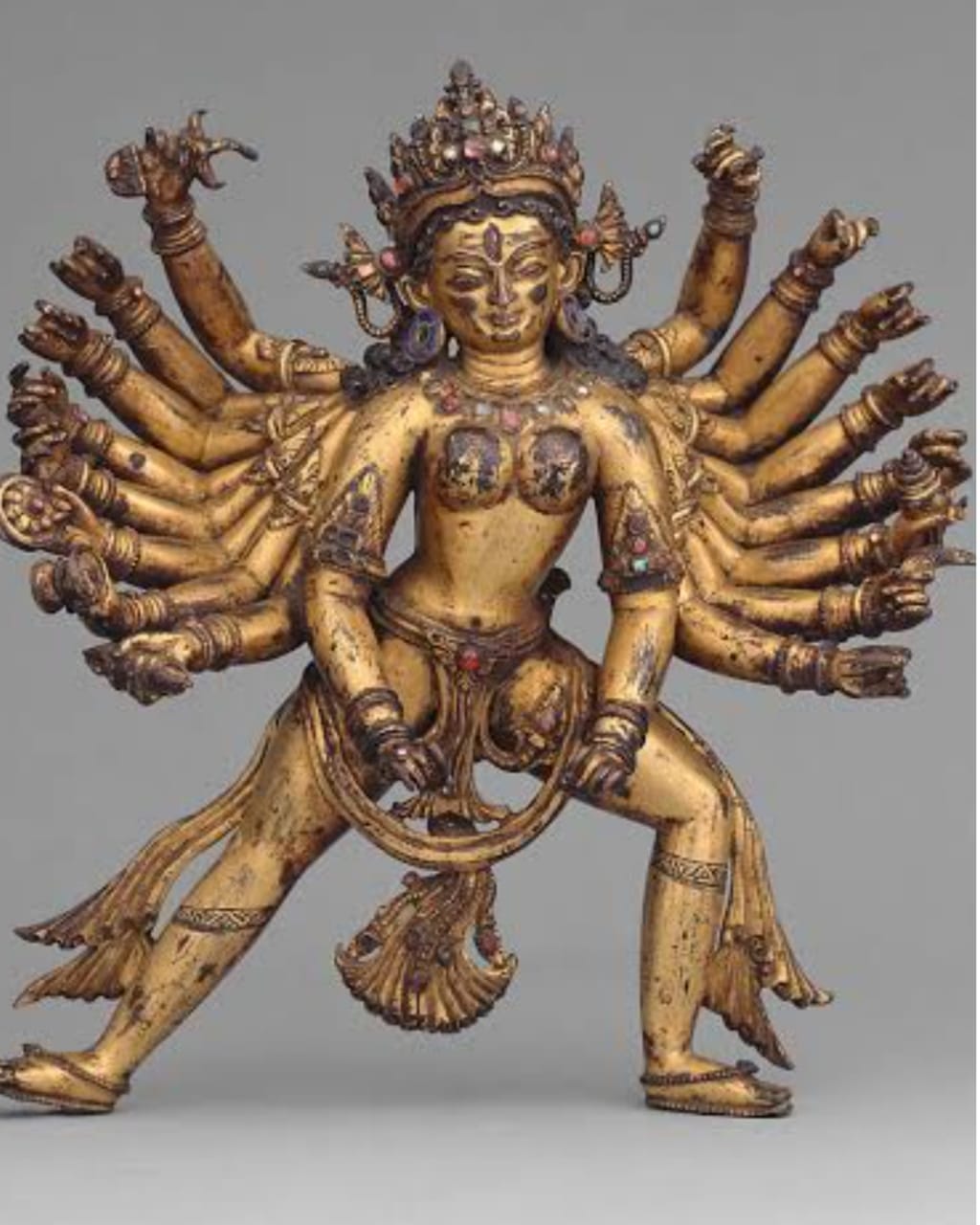
Sahasra in this context means infinite and literally means thousand. She has countless heads and faces.

सहस्राक्षी (283)

Sahasrākṣī

She has thousands of eyes.

सहस्रपात्(284)

Sahasrapād

She has thousands of feet.


आब्रह्म-कीट-जननी (285)

Ābrahma-kīṭa-jananī

The Supreme creator, She creates from Brahma to the smallest insect. 

वर्णाश्रम-विधायिनी (286)

Varṇāśrama-vidhāyinī

Varṇāśrama means the order of life as expounded in Vedās.  Veda-s classify people based upon their knowledge and capabilities. As creator of the Vedas, she is the one who has expounded the order of life.


निजाज्ञा-रूप-निगमा (287)

Nijājñā-rūpa-nigamā

Namas 287 and 288 deal with karma kanda of the Vedas.

She conveys Her commands through Veda-s.  

पुण्यापुण्य-फलप्रदा (288)

Puṇyāpuṇya-phalapradā

Puṇyāpuṇya consist of two words puṇya + a-puṇya.  Puṇya means the good or right, virtue, purity, good work, meritorious act, moral or religious merit, and a-puṇya means the illusionary puṇya. Results arising out of such actions are transferred to one’s karmic account at Her command as She is the Lord of karma-s.


श्रुति-सीमन्त-सिन्दूरी-कृत-पादाब्ज-धूलिका (289).

Śruti-sīmanta-sindūrī-kṛta-pādābja-dhūlikā

Veda-s are considered as the most sacred texts of all. In this nāma the four Veda-s are personified as goddesses.  Lalithambika is so Supreme as the absolute Brahman that these Goddesses are satisfied by wearing the dust in Her feet in their parting hair and get satisfied that they are at least able to wear the dust that gives them some knowledge (the knowledge of the Brahman) about Her.


सकलागम-संदोह-शुक्ति-संपुट-मौक्तिका (290)

Sakalāgama-saṃdoha-śukti-saṃpuṭa-mauktikā

This nāma says that the great scriptures of Veda-s and agama śāstra-s  are enclosed within the tiny piece of Her nose ring made of pearl.


पुरुषार्थ-प्रदा (291)

Puruṣārtha-pradā

Puruṣārtha is the fourfold values of human life.  They are dharma (righteousness or virtues), artha (wish or purpose), kāma (desires and pleasures) and mokṣa (the liberation).  She is the giver of this puruṣārtha. 

पूर्णा (292)

Pūrṇā

She is the perfect (without blemishes) totality of everything. 

भोगिनी (293)

Bhoginī

Bhoga means luxuries.  She is the enjoyer of all luxuries. 

भुवनेश्वरी (294)

Bhuvaneśvarī

Bhuvana means the universe.  She is the ruler (Īśvari) of this universe.


अम्बिका (295)

Ambikā

The mother of the universe.  

अनादि-निधना (296)

Anādi-nidhanā 

She has neither a beginning nor an end.  The nature of the Brahman is described, who alone is infinite. 

हरिब्रहमेन्द्र-सेविता (297)

Haribrahamendra-sevitā

Hari (Viṣṇu), Brahma and Indra worship Her. In Śrī cakra pūja, Hari, Brahma and Indra are all worshipped.


नारायणी (298)

Nārāyaṇī 

The creations made out of the Brahman are known as Narani and the abode of Narani is called Narayana.  The feminine gender of Nārāyaṇa is Nārāyaṇī.  This nāma also reconfirms Her Brahmanic status.

नाद-रूपा (299)

Nāda-rūpā 

She is in the form of sound

नाम-रूप-विवर्जिता (300)

Nāma-rūpa-vivarjitā

She is without name (nāma) and form (rūpa). Vivarjitā means devoid.  She is beyond names and forms, an exclusive quality of the Brahman.


ह्रींकारी (301)

Hrīṁkārī

She is in the form of māyā bīja hrīṁ.  Hrīṁ is also called śākta praṇava or śaktī praṇava, which means that the worshippers of śaktī, call hrīṁ as praṇava bīja of Śaktī.  This is also known as Bhuvaneśvarī bījā . Praṇava is the supreme ॐ.   The power of hrīṁ bīja is as powerful as ॐ.   

ह्रीमती (302)

Hrīmatī 

Hrī means modesty. Veda-s describe Her as endowment of modesty, mind, satisfaction, desire and nourishment. 

हृद्या (303)

Hṛdyā

She resides in the heart. Soul is said to be in the centre of the heart. Heart also stands for compassion and love.  Since She is the Divine Mother, these qualities are in built in Her. 

हेयोपादेय-वर्जिता (304)

Heyopādeya-varjitā

She has nothing to reject and nothing to accept.  Rejections and acceptances are applicable only to human beings and not to the Brahman.


राजराजार्चिता (305)

Rājarājārchitā

She is worshipped by king of kings and emperors. 

राज्ञी (306)

Rājñī

The queen.  She's the queen of Lord Shiva, the Lord or all kings 

रम्या (307)

Ramyā

She is the most beautiful of all.

राजीवलोचना (308)

Rājivalochanā

Rājiva means deer, fish or lotus, depending upon the context and locanā means eyes.  Eyes of Mā look like the eyes of deer or appear like a fish or look like a lotus flower.


रञ्जनी (309)

Rañjanī

Rañjana means the act of colouring and also pleasing, charming, rejoicing, delighting, befriending, etc. As Ranjani, She gives happiness to Her devotees . 

रमणी (310)

Ramaṇī

She plays around.  She plays with Her devotees.  Devotees are everything for Her.  She gives happiness to them and She plays with them too. 

रस्या (311)

Rasyā

She is in the form of essence of Ātman, which is to be identified with sweetness. Rasa means Sweet. 

रणत्किङ्किणि-मेखला (312)

Raṇatkiṅkiṇi-mekhalā

She is wearing a waistband with small bells hanging from it.  

When She walks, these tiny bells make tinkling sound from where the sound originates. The sound originates from the naval chakra, where the waist belt is worn.


रमा (313)

Ramā

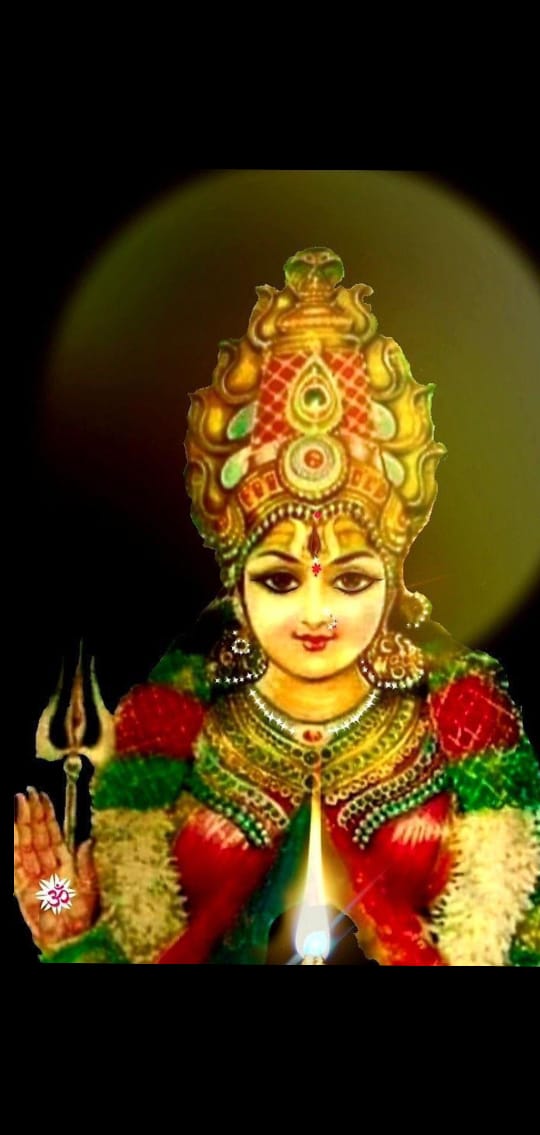
Ramā means Lakṣmī,  the goddess of wealth.  She is in the form of Lakṣmī and bestows wealth on Her devotees. 

राकेन्दुवदना (314)

Rākenduvadanā

Her face is compared to the full moon. 

रतिरूपा (315)

Ratirūpā

She is in the form of Rati, the wife of love god Manmatha .

रतिप्रिया (316)

Ratipriyā 

She is fond of Rati, the wife of Kāma.  There is a yakṣiṇī (lower form of demigoddess) called Ratipriyā who gives wealth. She is said to be Kubera’s wife.


रक्षाकरी (317)

Rakṣākarī

She's the one who protects the universe. 

राक्षसघ्नी (318)

Rākṣasaghnī

The destroyer of demons.

रामा (319)

Rāmā 

She is the embodiment of women.   

रमण-लम्पटा (320)

Ramaṇa-lampaṭā

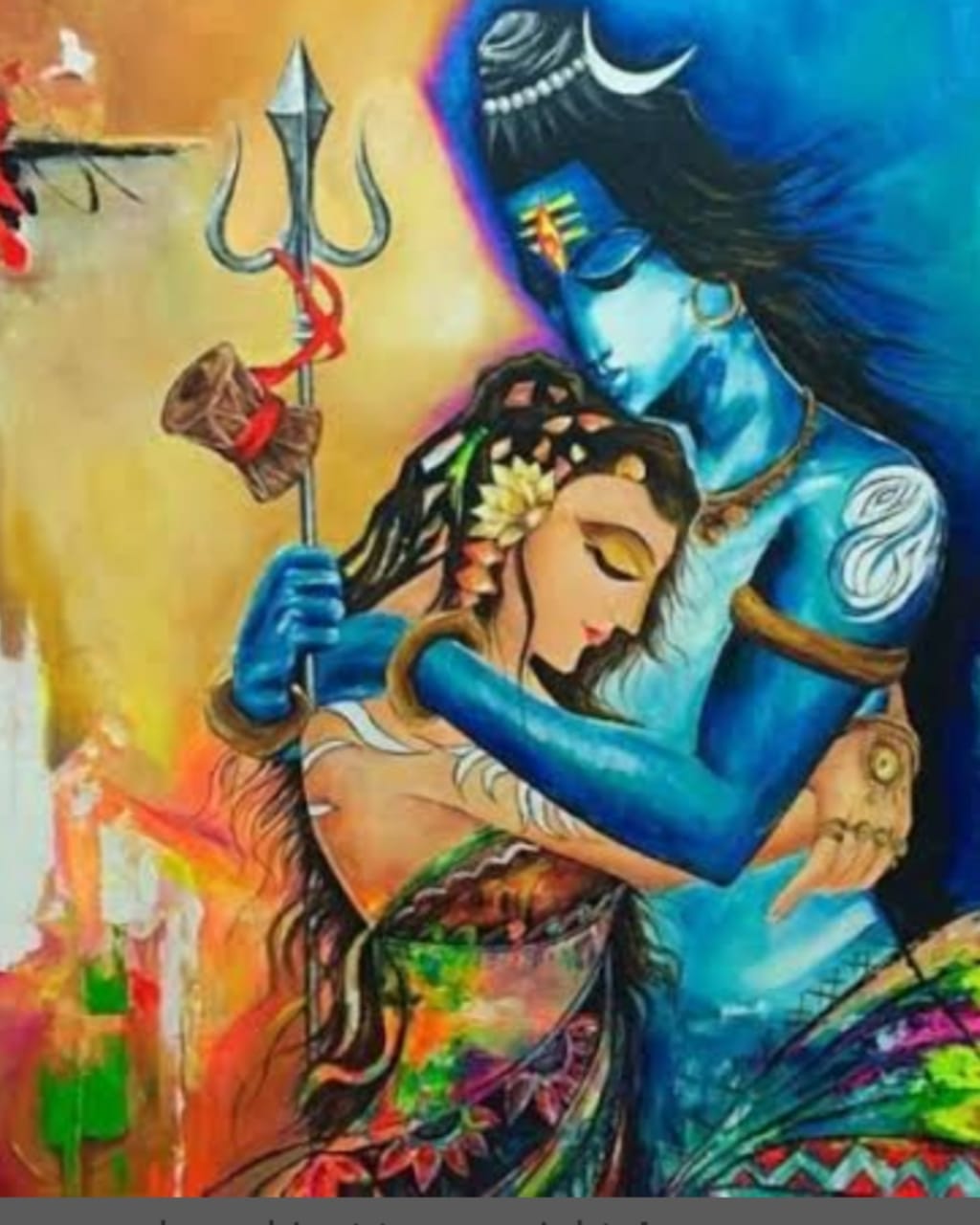
She enjoys Her moments with Her consort Śiva at sahasrāra.  She enjoys the marital bliss. She loves to play around with Śiva.


काम्या (321)

Kāmyā

Kāmyā means longing for.  She is desired by the seekers of liberation.  

कामकला रूपा (322)

Kāmakalā rūpā

She is in the form of kāmakalā.  This is Her subtler form which is known only to Her spouse Śiva.  The subtlest form is Her kuṇḍalinī form in sahasrāra, where She conjoins Her spouse. 

Kāma means intent to create and kalā refers to a part of the main object, in this case, Śiva. The conjugation of Kāma and kalā leads to the manifestation of Kāmeśvara and Kāmeśvarī forms.

कदम्ब-कुसुम-प्रिया (323)

Kadamba-kusuma-priyā

She is fond of kadamba flowers, amidst the tress of which She lives.

There are said to be five types of sacred trees and kadamba tree is one among them.  These five sacred trees said to represent the four components of antaḥkaraṇa viz. mind, intellect, consciousness and ego and the fifth being the heart where the soul is said to reside . 

The smell of these flowers is compared to the modifications of the mind.


कल्याणी (324)

Kalyāṇī

She is the embodiment of auspiciousness.

जगती -कन्दा (325)

Jagatī -kandā 

She is the cause of the universe. The cause for the origin of the universe is attributed to the Brahman.

करुणारस-सागरा (326)

Karuṇārasa-sāgarā

The ocean of compassion. Karuṇa means compassion, rasa means essence and sāgara means ocean.


कलावती (327)

Kalāvatī

She is the possessor of these sixty four types of arts. 

कलालापा (328)

Kalālāpā

Her speech itself is an art.  Kalā generally means sixty four types of fine arts.  kala refers melodious voice. Ālāpa also means speech. This nāma refers to Her melodious voice as art or Kalā.

कान्ता (329)

Kāntā 

She is beautiful, vibrating and radiant. 

कादम्बरी-प्रिया (330)

Kādambarī-priyā 

Kādambara is spirituous liquor distilled from the flowers of the Kadamba.  The Supreme Goddesses is known for Her liking of it.


वरदा (331)

Varadā

The one who grants boons.

वाम-नयना (332) 

Vāma-nayanā 

Literally this nāma means ‘beautiful eyes’.  Vāma also means fruits of action and nayat means leading to. Vāma-nayanā therefore means ‘the fruits of one’s actions lead to Her’, indicating the final liberation.

वारुणी-मद-विह्वला (333)

Vāruṇi-mada-vihvalā 

Vāruṇi is the extract of dates that is allowed to brew and when consumed causes inebriation.  By consuming this, She forgets the surroundings and concentrates on Her inner Self (possibly meaning Śiva) is the literal meaning of this nāma.  

There is a nāḍi (nerve) called vāruṇi which can be controlled by breath. This nāḍi plays a significant role in excretion of bodily waste.  If this nāḍi is brought under control by proper breathing exercises, one will never feel tiredness in the body.  Sages keep this nāḍi under their control to cope up with longer duration of meditation.  She is said to be in form of this nāḍi.


विश्वाधिका (334)

Viśvādhikā

There are thirty six important  tattvas which include basic five elements, four components of antaḥkaraṇa (ego,  intellect,  mind and memory) seven components of māyā tattva and five components of Śiva tattva. She transcends all these tattvas. 

वेद-वेद्या (335)

Veda-vedyā

She can be known through Veda-s.  All the Veda-s lead to the Supreme Reality, the Brahman. 

विन्ध्याचल-निवासिनी (336)

Vindhyācala-nivāsinī

She lives in Vindhyā mountains.


विधात्री(337)

Vidhātrī

Dhātrī means the motherhood.  She being (Śrī Mātā) the Supreme Mother, She nourishes this universe. 

वेद-जननी (338)

Veda-jananī

Creator of Veda-s.

विष्णु-माया (339)

Viṣhṇu-māyā 

She's the illusory power of Vishnu 

विलासिनी (340)

Vilāsinī

Vilāsa means playful. This could mean Her liking for playing with her devotees. Also with Her consort Shiva.

With this nama, ends the description of Her Pancha Brahma swaroopam. 

Actions of Brahman

Beginning this nāma, till 274 the five actions of the Brahman are being discussed.    Vāc Devi-s have formulated this Sahasranāma in such a way that it talks about every aspect the Supreme Brahman (saguṇa and nirguṇa forms of Brahman).  If one could understand impartations of all the nāma-s of this Sahasranāma, it tantamount to knowing all the Upaniṣad-s.  


सृष्टि-कर्त्री (264)

Sṛṣṭi-kartrī

In this nāma, the creative aspect (sṛṣṭi) of the Brahman is referred.   The creation happens out of Her tamo guṇa. 

ब्रह्म-रूपा (265) 

Brahma-rūpā

She is in the form of the God of creation, Brahma.

गोप्त्री (266)

Goptrī

She is the protector, sustaining this universe.  Protection is the second act of the Brahman.  Protection is Her sattva guṇa. 

गोविन्द-रूपिणी (267)

Govinda-rūpiṇī

Govinda is Viṣṇu. Viṣṇu is the protector of this universe.  When one needs health, wealth and prosperity one has to worship Viṣṇu.  She is in the form of Govinda (Viṣṇu).


संहारिणी (268)

Saṃhārinī

She causes destruction.  This nāma refers to the death of gross bodies and She, as the administrator of the universe also causes death. 

रुद्र- रूपा (269)

Rudra-rūpā

She is in the form of Rudra, while causing death.  Rudra also means destroyer of miseries. 

तिरोधानकरी (270)

Tirodhānakarī

She causes annihilation and makes the universe disappear.  Tirodhāna is the fourth act of the Brahman, which is called the great dissolution or the pralaya. 

ईश्वरी (271)

Īśvarī

As one who does the act of tirodhāna , one who's in supreme control of everything,  she's called as Isvari.


सदाशिवा (272)

Sadāśivā

She is in the form of Sadāśivā.  Sadā means ever and Śiva means auspicious.  The Sadāśivā form of the Brahman is the most auspicious form and She is said to be in that form.

अनुग्रहदा (273)

Anugrahadā

The action of the gracious Sadāśiva, the blessing aspect for recreation is being referred.  Anugraha means grace, promoting, etc. 

पञ्चकृत्य-परायणा (274)

Pañcakṛtya-parāyaṇā

She is the abode of all the five functions discussed above.

Pancha Brahma Svarupam


The nāma-s from 249 to 340 discuss on the ‘Pañcha -Brahma svarūpa’ known as the five acts of the Brahman. 


पञ्च-प्रेतासनासीना (249)

Pañcha-pretāsanāsīnā

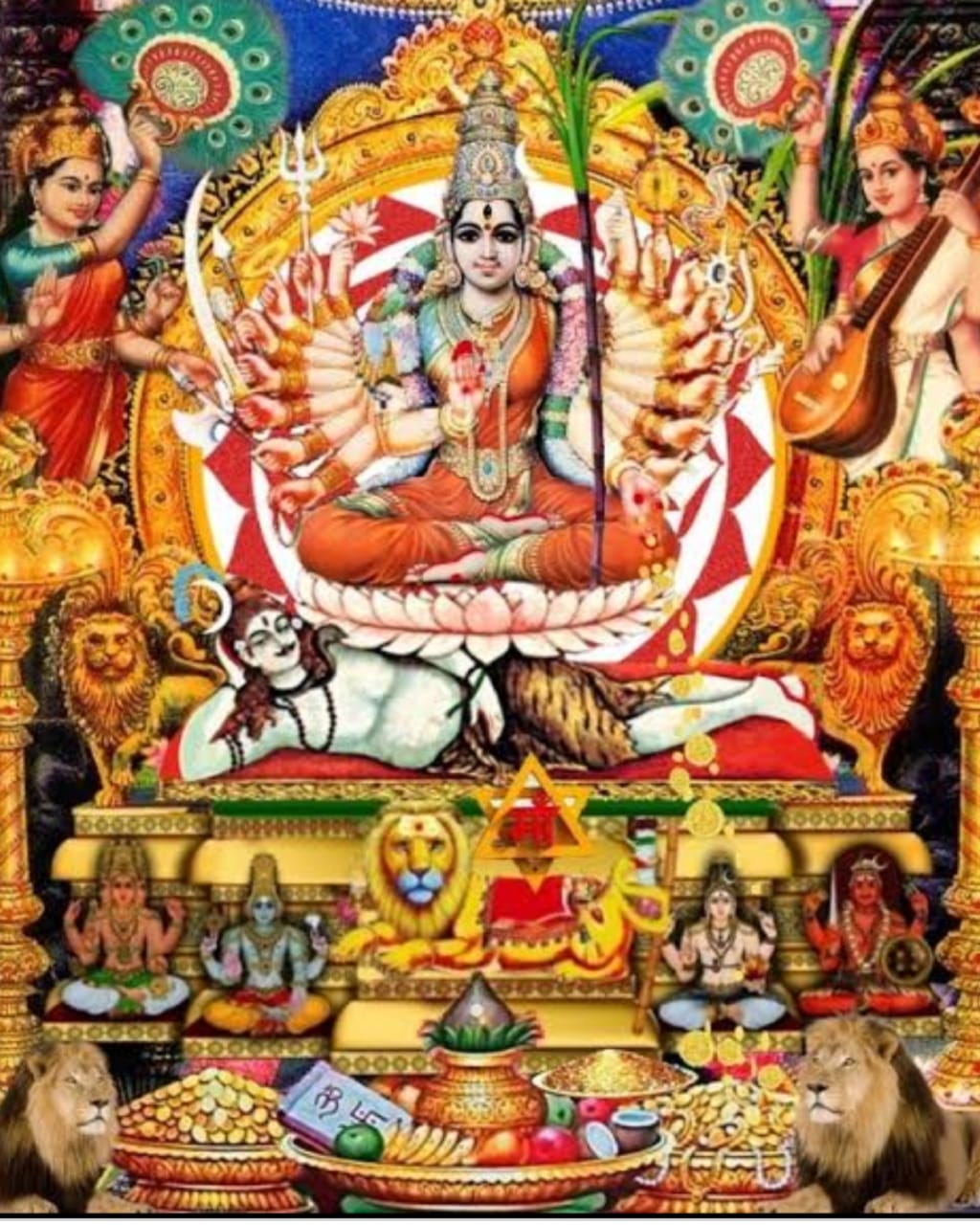
She is sitting on a throne held by five corpses.  These five corpses are Brahma, Viṣṇu, Rudra, Mahādeva and Sadāśiva.  Brahma looks after creation, Viṣṇu looks after sustenance, Rudra causes death, Mahādeva conceals the dissolved universe (tirodhāna) and Sadāśiva again re-creates the universe (anugraha). 

पञ्च-ब्रह्म-स्वरूपिणी (250)

Pañcha-brahma-svarūpiṇī

These two nāma-s explain the cosmic creation.  The Brahman has five functions to perform.  They are creation, sustenance, destruction, annihilation and salvation.  The previous nāma underlined the importance of Lalitāmbikā in all acts of the Brahman and this nāma asserts that She is the Brahman.


चिन्मयी (251)

Chinmayī

She is in the form pure consciousness. Cin here means cit.  Pure consciousness is that stage of awareness, where there is no differentiation between the known, the knower and the knowledge. 

परमानन्दा (252)

Paramānandā

She is the embodiment of happiness

विज्ञानघन-रूपिणी (253)

Vijñānaghana-rūpiṇī

She is the essence of pure consciousness.  Essence means the subtle form of consciousness.  Ānanda or supreme happiness is the gross form of consciousness.


ध्यान-धातृ-ध्येय-रूपा (254)

Dhyāna-dhātṛ-dhyeya-rūpā
She is the form of a triad – the meditation, the meditator and the object of meditation.  This triad leads to another triad – the knower, the known and the knowledge.

धर्माधर्म-विवर्जिता (255)
Dharmādharma-vivarjitā
She is above dharma and a-dharma.  Dharma is the result of good acts and a-dharma arises out of evil acts.  Accrual of sins is the result of adharma.


विश्वरूपा (256)

Viśvarūpā

Viśvarūpā means omnipresent.  When the mind ceases to think or when the mind disassociates from the sensory organs one reaches a stage where there's no happiness or sorrow.   Only in this stage, Viśvarūpa is realized.  She is the Viśvarūpa, the omnipresent.

जागरिणी (257)

Jāgariṇī

The three stages viz. awake, dream and deep sleep are now being discussed from this nāma till 263.

She is in the form of waking state in the living beings.

स्वपन्ती (258)

Svapantī

She exists in dream state too. 

तैजसात्मिका (259)

Taijasātmikā

The individual soul associated with the dream state discussed in the previous nāma is called taijasa.  Taijasa is the word derived from tejomaya , which means splendour or light, shining, brilliant.  She manifests in this stage.


सुप्ता (260)

Suptā

The third of the three known stages is called ‘suṣupti’, the state of deep sleep or the state of unconsciousness.  In the stage of deep sleep, one is not aware of anything around him. In this state mind also rests.  She is present in this stage as well, the confirmation of Her omnipresence.

प्राज्ञात्मिका (261)

Prājñātmikā

She is known as prājñātmikā in the suṣupti stage.  

तुर्या (262)

Turyā

This is the fourth stage of consciousness.  It cannot be experienced automatically.  This stage can be attained only through meditation.  She exists in the form of turiya stage. 

सर्वावस्था-विवर्जिता (263)

Sarvāvasthā-vivarjitā

Previous nāma-s confirmed Her existence in all the four stages.  Now it is said that She is beyond these stages, again the quality of the Brahman.  She exists in this stage too.

Saguna Brahman


Nāma-s 196 to 248 discuss about Her various forms known as saguṇa Brahman or the Brahman with attributes.  Worshipping God without form is called nirguṇa worship and considered as superior. Worshipping God in various forms is called saguṇa worship. Religious faiths are based on saguṇa worship (with forms and attributes).


सर्वज्ञा (196)

Sarvajñā

She is omniscient.  Only the Brahman alone can be omniscient.  

सान्द्रकरुणा (197)

Sāndrakaruṇā

She is compassionate.  

समानाधिक-वर्जिता (198)

Samānādhika-varjitā

She has no equals.  Śvetāśvatara Upaniṣad (VI. 8) says, “He has no body and no organs.  No one is His equal. No one is His superior either.  He possesses many powers of knowledge and powers of action.”  The Upaniṣad talks about the nature of the Brahman. 

Arjuna addresses Kṛṣṇa like this in Bhagavad Gīta ( XI.43) “You are the Lord of incomparable might, in all the three worlds there is none else even equal to You; how then, any better?” She has all these qualities.


सर्वशक्ति-मयी (199)

Sarvaśakti-mayī

She is the power of all śaktī-s.  Since She is the embodiment of all śaktī-s, She is known as Śaktī.  This is the reason for addressing Her as Sarvaśakti-mayī.

सर्व-मङ्गला (200)

Sarva-maṅgalā

She is the embodiment of all auspiciousness.  

सद्गति-प्रदा (201)

Sadgati-pradā

She guides Her devotees in the right path to reach the right target (salvation).  The target is realizing the Brahman.


सर्वेश्वरी (202)

Sarveśvarī

She is the supreme ruler of the universe and leads the beings to the Brahman. 

सर्व-मयी (203)

Sarva-mayī

She exists in all forms, the omnipresent nature of the Brahman.  

सर्व-मन्त्र-स्वरूपिणी (204)

Sarva-mantra-svarūpiṇī

She is the embodiment of all mantra-s.  This is one of the reasons why tantra śāstra is based on Her various forms, as mantra-s have vital role in tantric rituals.  It is said that all the mantra-s are placed around the Pañcadaśī mantra, which is the centre of all mantra-s.


सर्व-यन्त्रात्मिका (205)

Sarva-yantrātmikā

She is in all the yantra-s.   A properly consecrated yantra becomes powerful and its power increases along with the increase in the counts of mantra-s.  Since She is sarva-mayī, She is said to be in all yantra-s. 

सर्व-तन्त्र- रूपा (206)

Sarva-tantra-rūpā

She is in the form of all tantra-s.  There are various types of tantra-s and She is the focal point in all these tantra-s.

मनोन्मनी (207)

Manonmanī

She is in the form of manonmanī (beyond perception).  There are eight smaller cakra-s between ājñā cakra and sahasrāra and the one, just below the sahasrāra is called manonmanī.     In Śrī Rudram, one of the forms of Śiva is called Manonmana and His wife is Manonmanī.  There is a mudrā called manonmanī, which is used in advanced stages of meditation.  When this mudrā is used, one almost loses his consciousness, ready to merge with the Supreme.


माहेश्वरी (208)

Māheśvarī

Māheśvara form of Śiva is the Supreme form. His wife is Māheśvarī. 

महादेवी (209)

Mahādevī

Śiva is also known as Mahādeva, His moon form and his wife is Mahādevi.  Maha also means the Supreme.  She is the Supreme and hence called Mahādevi.

महालक्ष्मी (210)

Mahālakṣmī

Śiva manifests in the form of Viṣṇu for sustenance and His wife is Mahālakṣmī. Mahālakṣmī also means a girl of

thirteen years. If Mahālakṣmī is worshipped on every 13th lunar day (trayodaśa) with Her bīja (śrīṃ- श्रीं), there will no dearth of prosperity and auspiciousness. 

मृडप्रिया (211)

Mṛḍapriyā

Śiva is also known as Mṛḍan, His sattvic form.  Shakthi is called Mṛḍapriyā.  Mṛḍa means happiness, a quality of sattva guṇa, showing compassion or mercy, gracious and priyā means dear.


महारूपा (212)

Mahā-rūpā

She has a great form.  It is to be observed that all these nāma-s begin with Mahā indicating Her Supreme stature. 

महापूज्या (213)

Mahāpūjyā

She is worshipped by great saints and sages. 

महापातक-नाशिनी (214)

Mahāpātaka-naśinī

She destroys great sins.


महा-माया (215)

Mahā-māyā

Māyā means illusion.  She is known as mahā-māyā svarūpinī.

The entire universe functions on the basis of māyā or illusion.  If She does not cast Her effect of māyā on this world, there will no activity at all.  Her spell of māyā makes us to seek the Brahman. 

महा-सत्त्वा (216)

Mahā-sattvā

Sattvā is one of the three guṇa-s, the other two being rajas and tamas.  Out of the three, sattva guṇa is supreme. When this guṇa is dominant in a person, he cannot commit any sins either knowingly or unknowingly.  She chooses these persons to shower on them Her special grace.  

महा-शक्तिः (217)

Mahā-śaktiḥ

Śaktī means energy.  Because of Her sattvic guṇa, She possesses supreme energy, with which She controls the universe. 

महा-रतिः (218)

Mahā-ratiḥ

She gives immense happiness and delight to Her devotees. (rati means pleasure, enjoyment, delight in, fondness for).  She is the incarnation of auspiciousness.


महा-भोगा (219)

Mahā-bhogā

She is the embodiment of immeasurable happiness. All that prevails in this universe is wealth for Her, as She presides over the universe.

महैश्वर्या (220)
Mahaiśvaryā

Iśvaryā means wealth, the wealth, which is in the form of  Her abundant grace. 

महा-वीर्या (221)
Mahā-vīryā

There are several meanings for the word vīrya.  Generally it means courage, power, lustre, dignity, energy, etc.  She is the reservoir of all these qualities and She provides these qualities to Her devotees depending upon the depth of devotion. 

महा-बला (222)
Mahā-balā

Bala means strength. She is mighty, the quality of the Brahman.  Worshipping Her gives comforts, wealth, courage etc.


महा-बुद्धिः (223)

Mahā-buddhiḥ
She is intelligence personified

महा-सिद्धिः (224)
Mahā-siddhiḥ
She is the ultimate form of attainment.  Siddhi means supreme. 

महा-योगेश्वरेश्वरी (225)
Mahā-yogeśvareśvarī
She is the ruler of yoga and sought after by great yogis.


महा-तन्त्रा (226)

Mahā-tantrā
Tantra is a way of worship.  She Herself is the great tantra or all tantra-s lead to Her.

महा-मन्त्रा (227)
Mahā-mantrā
She is the embodiment of all mantra-s.  All mantra-s originate from the fifty one alphabets of Sanskrit.  These fifty one letters are worn around Her neck in the form of a garland and all the mantra-s originate from this garland.

महा-यन्त्रा (228)
Mahā-yantrā
Mahā-yantr could mean Śrī cakrā in the midst of which She lives.  Śrī cakrā is considered as the Supreme of all yantra-s, hence mahā-yantra. 

महासना (229)
Mahāsanā
Āsana means seat.  She has a great seat is the literal meaning.


महा-याग-क्रमाराध्या (230)

Mahā- yāga-kramārādhyā
Worshipping sixty four yoginī-s (demigoddesses who are assistants to Her) is called mahā-yaga and if performed according to the laid down procedures, gives immediate results.  This worship falls under the category of tantra śāstra as navāvaraṇa pūja.

महा-भैरव-पूजिता (231)
Mahā-bhairava-pūjitā
She is worshipped by the great Bhairava.


महेश्वर-महाकल्प-महाताण्डव-सक्षिणी (232)

Maheśvara-mahākalpa-mahātāṇḍava-sakṣiṇī

Śiva dances fiercely at the time of great dissolution (mahākalpa) and none was around except Lalitāmbikā, who just witnesses this terrible act of Śiva.  Everything dissolves into Śiva in the presence of Śaktī, who witnesses the great dissolution.


महा-कामेश-महिषी (233)

Mahā-kāmeśa-mahiṣī

The consort of Mahā Kāmeśvara is known as Mahā Kāmeśvarī.   Mahiṣī means queen, the queen of Śiva. 

महा-त्रिपुर-सुन्दरी (234)

Mahā-tripura-sundarī

She is described as the most beautiful woman of the three worlds.  The three worlds are vyāhṛti-s (bhūr,  bhuvaḥ, svar) of Gāyatri mantra.


चतुः-षष्ट्युपचाराढ्या (235)

Chatuḥ-ṣaṣṭyupacārāḍhyā

She is worshipped with sixty four (chatuḥ-ṣaṣṭi) types of metaphorical expressions, which are called upacāra-s.  For example offering Her scents, flowers, bangles, fanning Her, etc.  Sixty four such offerings have been prescribed for Her.  This nāma talks about the pūja ritual.

चतुःषष्टि-कलामयी (236)

Catuḥṣaṣṭi-kalāmayī

She is in the form of sixty four types of arts.  Kalā means art.  There are sixty four types of arts in tantra śāstra-s.  No concrete evidence is available to confirm or dispute these sixty four types.  But these arts originate from aṣṭama siddhi (the eight super human powers).


महा-चतुः-षष्टि-कोटि-योगिनी-गण-सेविता (237)

Mahā-catuḥ-ṣaṣti-koṭi-yoginī-gana-sevithā

Mahā-catuḥ-ṣaṣti-koṭi means sixty four crores or 640 million.  Yoginī-gana are demigoddesses.  She is worshipped by these 640 million demigoddesses also known as yogini-s.


मनु-विद्या (238)

Manu-vidyā

She's the embodiment of Manu-vidya. Vidya means Sri Vidhya, the ritual worship of Sri Chakra. Many Vidya refers to the twelve types of pancadasi mantras introduced by Manu. 

चन्द्र-विद्या (239)

Candra-vidyā

After Manu, the worship by Chandra is referred in this nāma. She's the embodiment of Chandra Vidya. 

चन्द्र-मण्डल-मध्यगा (240)

Candra-maṇḍala-madhyagā

Candra-maṇḍala refers to the sahasrāra.  She is in the middle of the sahasrāra.  

In the middle of the crown cakra there is an orifice called bindu.  She is in the form of this bindu.  In fact, in ritual worship of Śrī Cakra, this bindu is the focal point where She is worshipped.  The Candra-maṇḍala itself is Śrī Cakra.


चारु-रूपा (241)

Chāru-rūpā

She is the beauty incarnate. Chāru means pretty. 

चारु-हासा (242)

Chāru-hāsā

Her smile is in line with Her appearance.    Her smile (hāsa) is compared to the moon.  Her smile is the cause of bliss experienced by Her devotees. 

चारु-चन्द्र-कलाधरा (243)

Chāru-chandra-kalādharā

She is wearing the crescent moon in Her crown.  Chāru means moon light.


चराचर-जगन्नाथा (244)

Cāracara-jagannāthā

She controls both animate and inanimate things of the world. She is the cause for both static and kinetic energies. 

चक्र-राज-निकेतना (245)

Cakra-rāja-niketanā

Śrī Cakra is known as Cakra rājam, the supreme of all cakra-s.  She resides in this Śrī Cakra along with all Her ministers, warriors, etc.


पार्वती (246)

Pārvatī

She is the daughter of Himavān, the king of mountains and wife of Śiva. 

पद्म-नयना (247)

Padma-nayanā

Her eyes are compared to lotus flower. 

पद्मराग-सम-प्रभा (248)

Padmarāga-sama-prabhā

She is compared to a special type of ruby called padmarāga which is deep red in colour.